Sports prototypes developed through BLV interviews, physical iteration, and trials of audio and tactile feedback.
DWG NO.DWG-005
CATEGORYINCLUSIVE SYSTEMS
MATERIALPLA · TPU · ELECTRONICS
YEAR2025
SHEET6 / 16
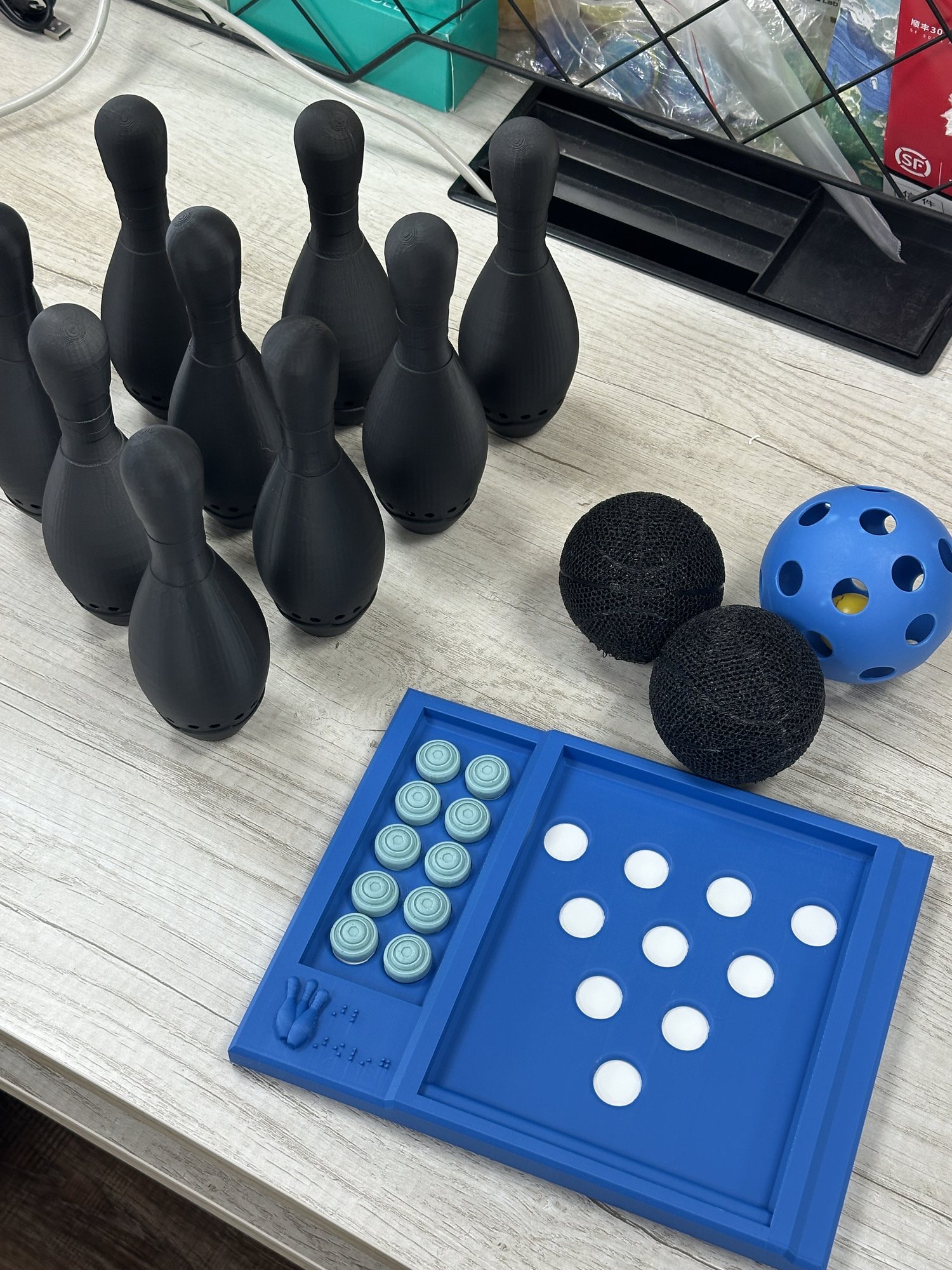
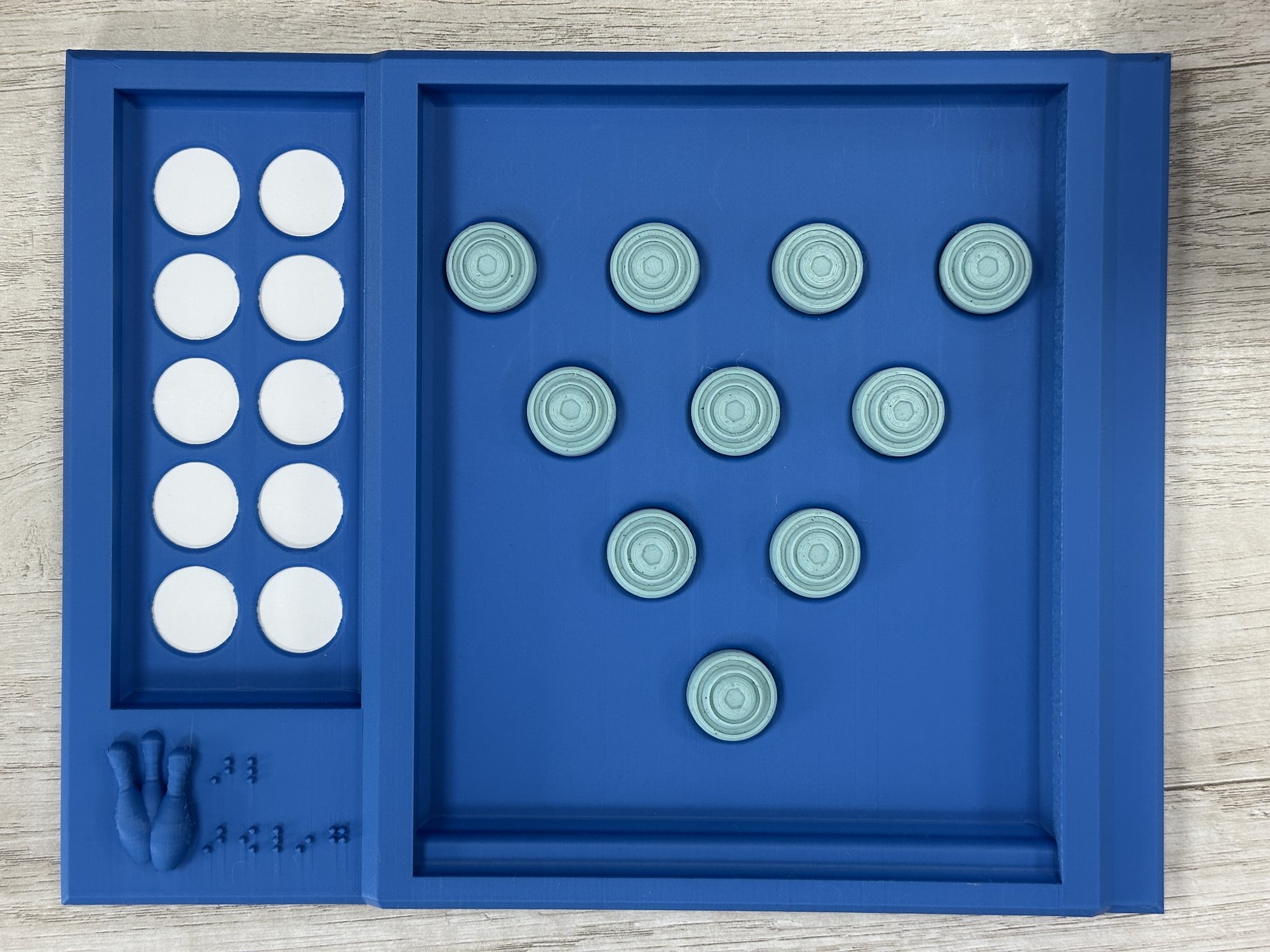
FIG 01 · SYSTEM OVERVIEW
FIG 01 — AUDIO OBJECTS + MAGNETIC TACTILE MAP
SEC 01
Brief概要
THE QUESTION
How can blind and low-vision players read a game without depending on sighted teammates?
During my summer internship at MustardTek, I developed sound-emitting sports objects and magnetic tactile boards across bowling, basketball, floor curling, and baseball. The bowling and basketball work shown here traces how I translated spatial-information needs into physical interfaces, enclosures, and prototypes.
ROLEPRODUCT DESIGN INTERN
USERSBLV ATHLETES + TEAMMATES
BUILD3D PRINT · CIRCUITS · PYTHON
SCOPERESEARCH → HANDOFF
SEC 02
Research to Requirement用户需求
CONTRAST WAS NOT ENOUGH
Interviews shifted the brief toward independent spatial awareness.
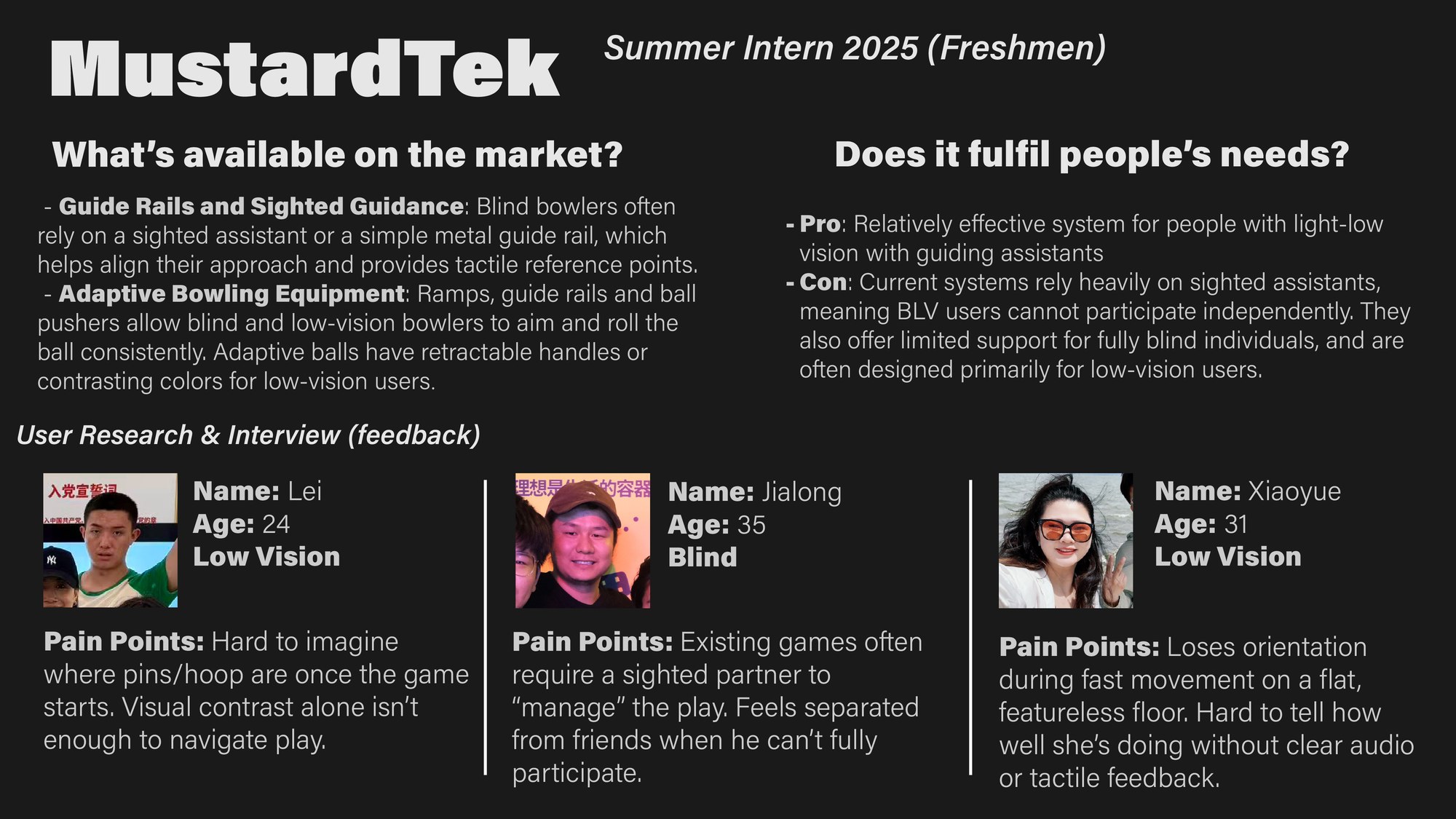
Three BLV participants described difficulty locating pins or hoops, losing orientation during movement, and feeling separated when a sighted person managed play. I used these conversations to define two complementary channels: audio for locating equipment and people, and touch for understanding the arrangement of a game.
FIG 02 · RESEARCH PLATE
FIG 02 — MARKET GAP + THREE USER INTERVIEWS
LOCATING → AUDIOSOUND CUES ON EQUIPMENT
LAYOUT → TOUCHA PHYSICAL MAP OF POSITIONS
PARTICIPATION → ACCESSGAME STATE PLAYERS CAN EXPLORE
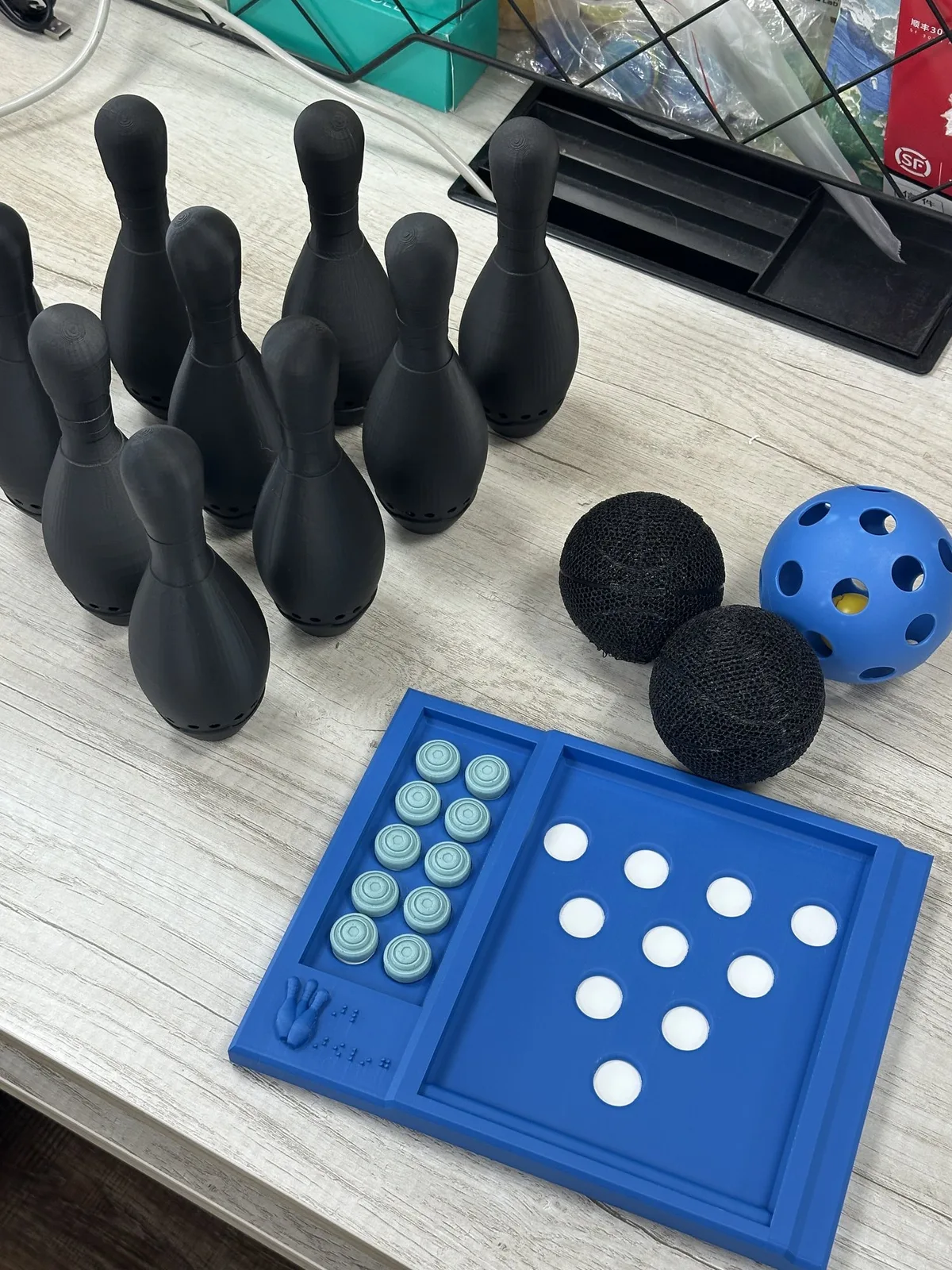
I paired sound-emitting pins and ball prototypes with a magnetic tactile board. The board keeps the pin arrangement available to explore between turns, while audio cues make the equipment audible during play.
AUDIO · LOCATE OBJECTS
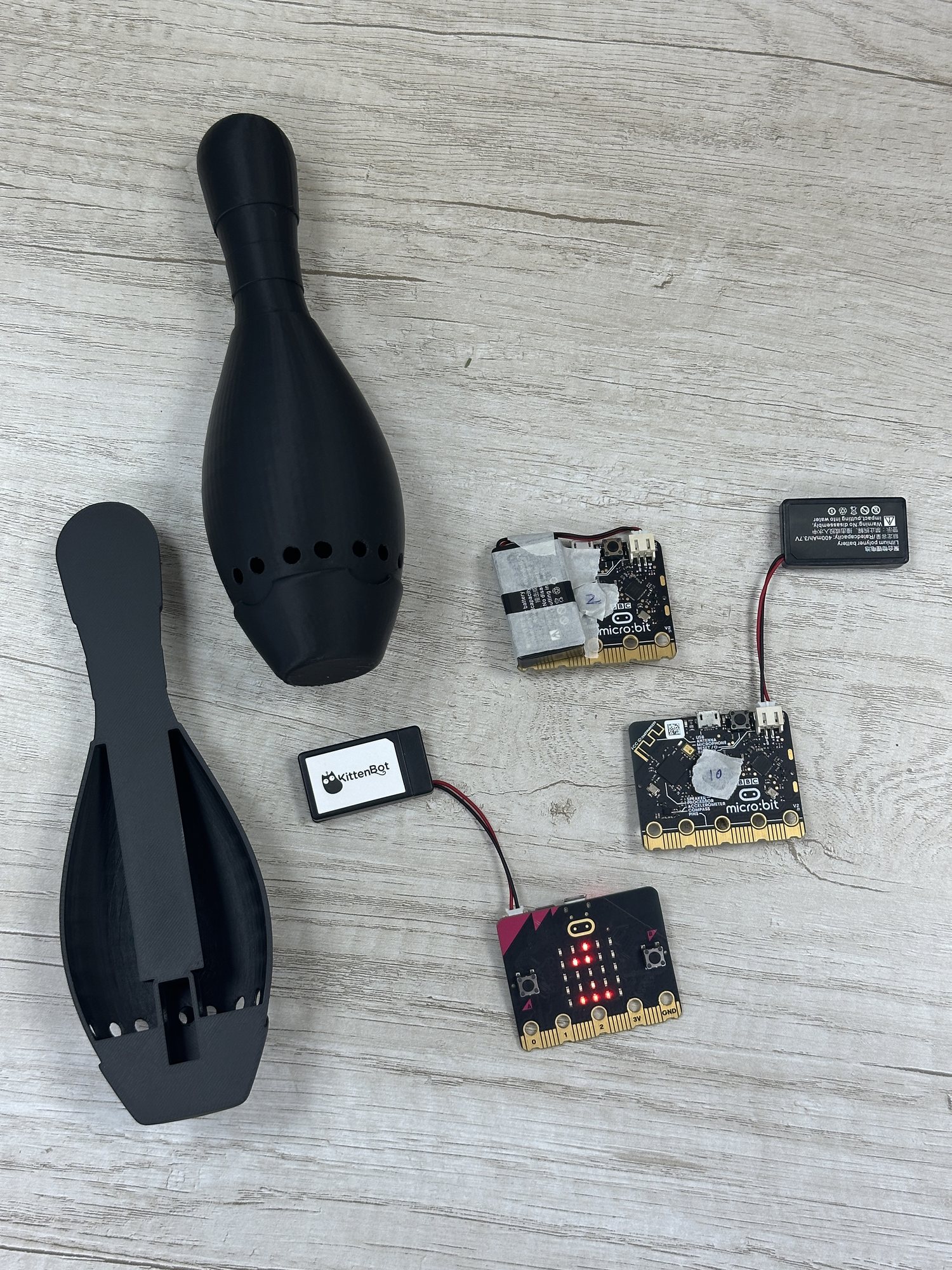
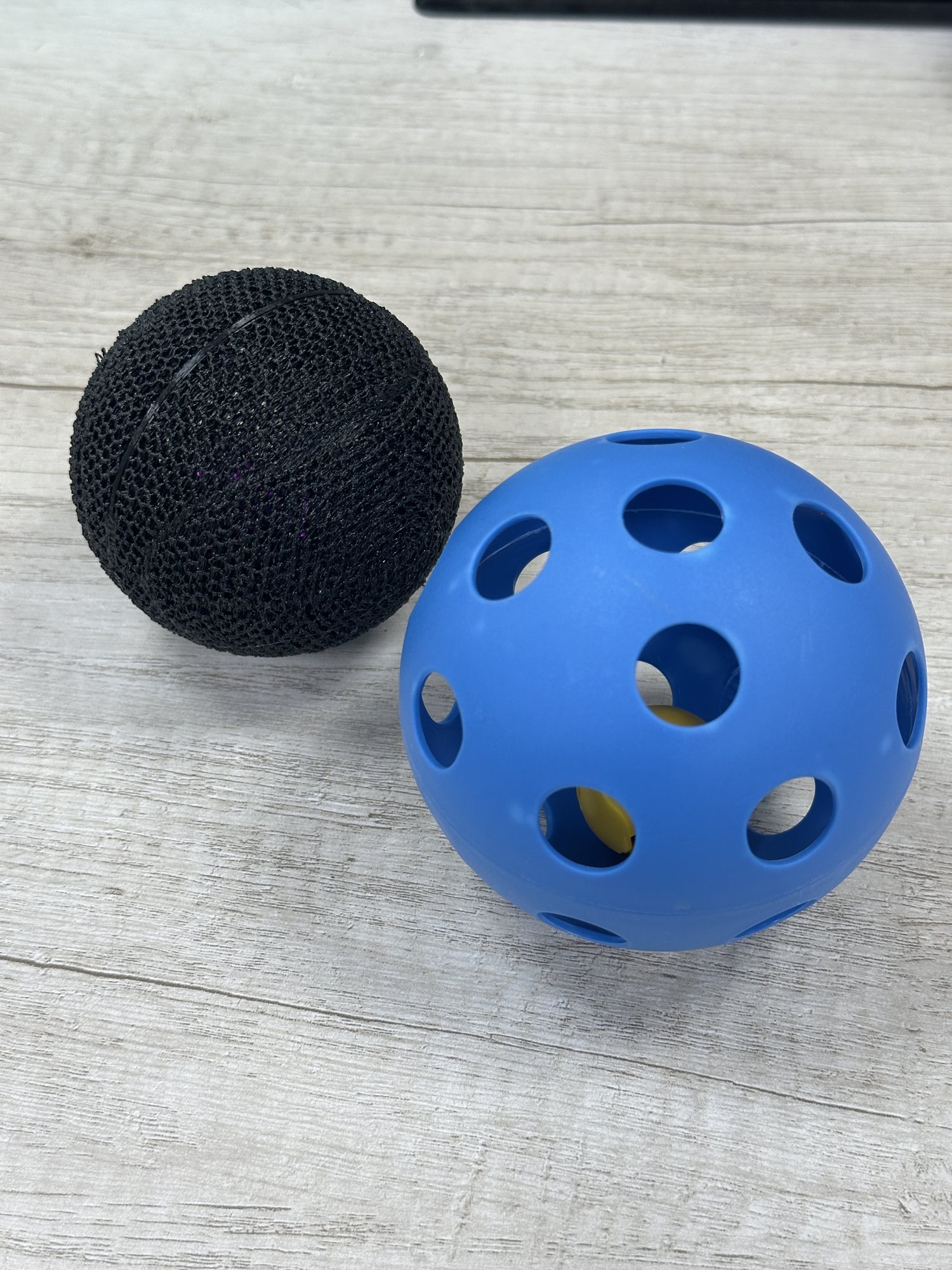
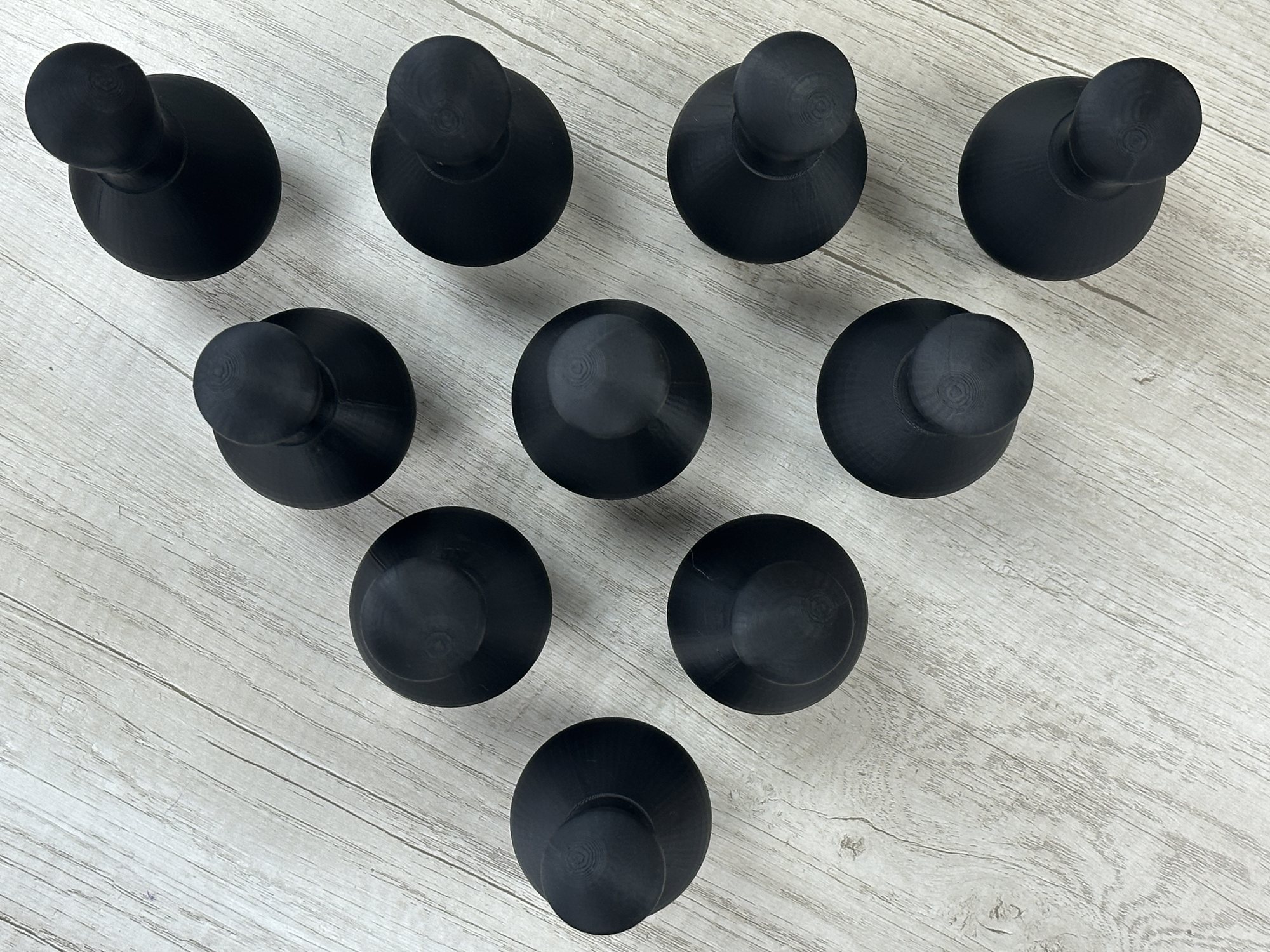
The pin enclosure addresses how electronics fit inside sports equipment. The ball studies explore a different problem: the shell around a sound-producing insert. These prototypes bring material, enclosure geometry, and audio into the same physical object.
FIG 04 — BALL SHELL STUDIES · PERFORATED BLUE + FLEXIBLE BLACK
TACTILE · READ GAME STATE
A PERSISTENT MAP OF PLAY
Make the changing pin layout tangible.
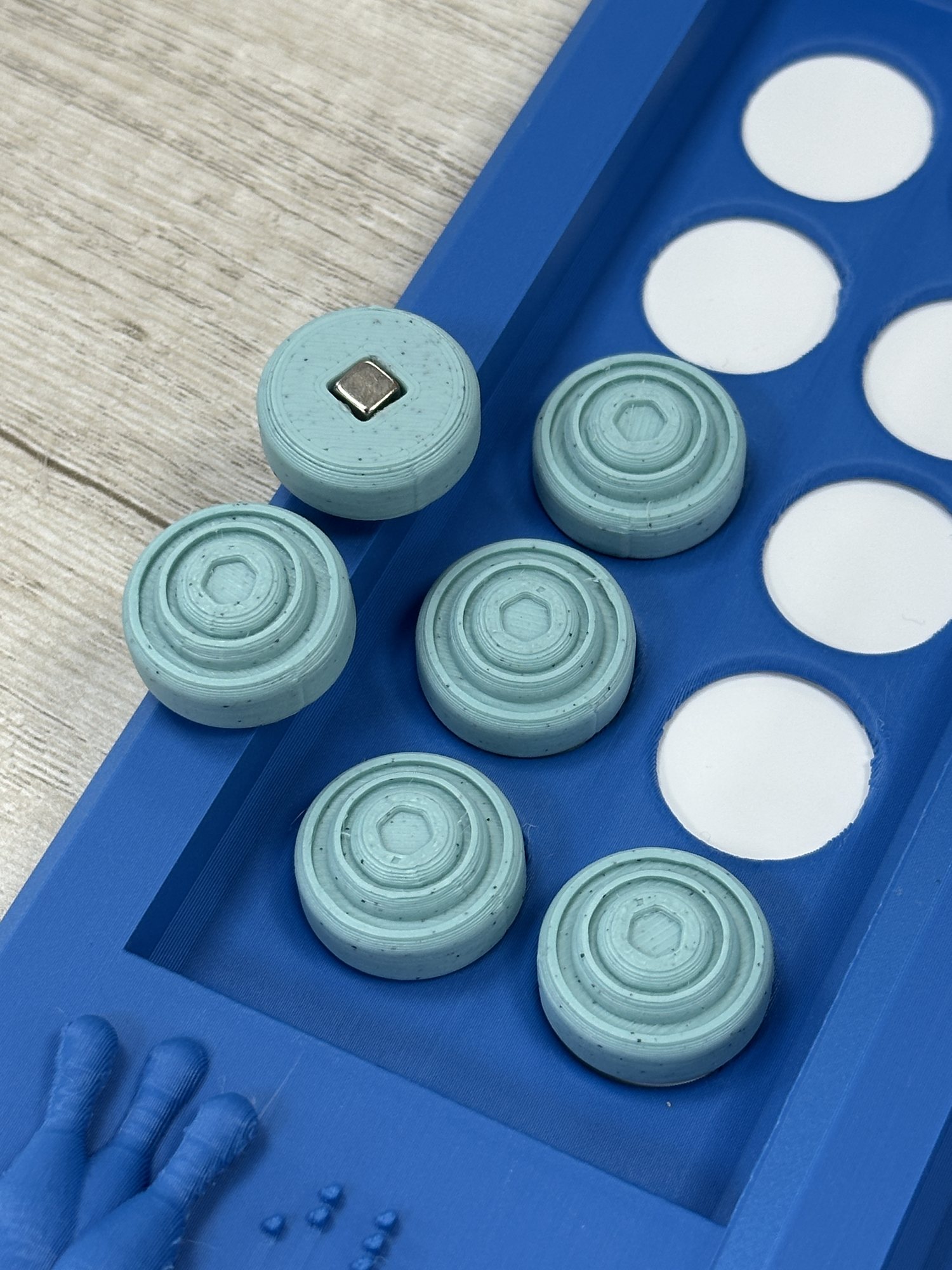
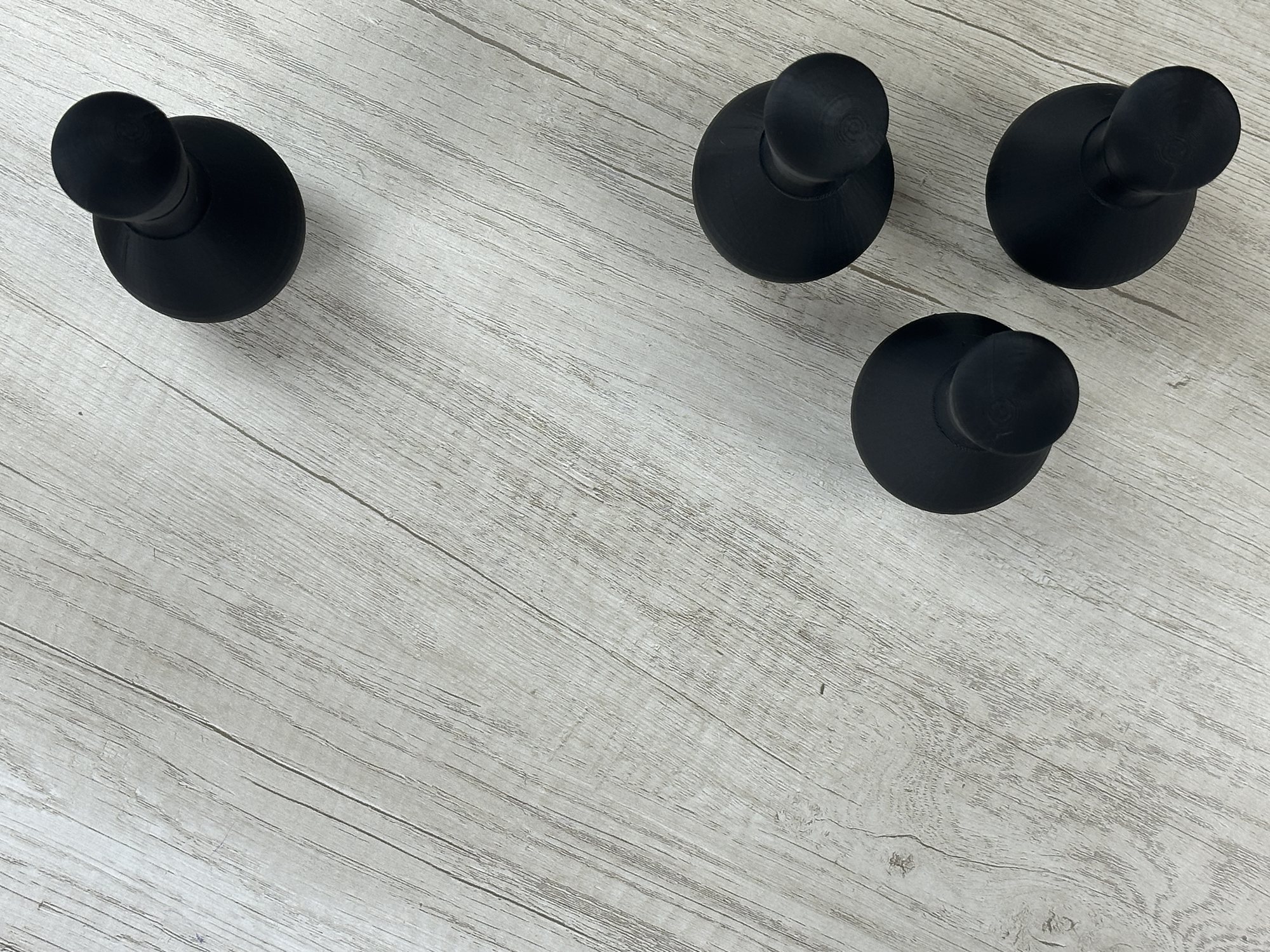
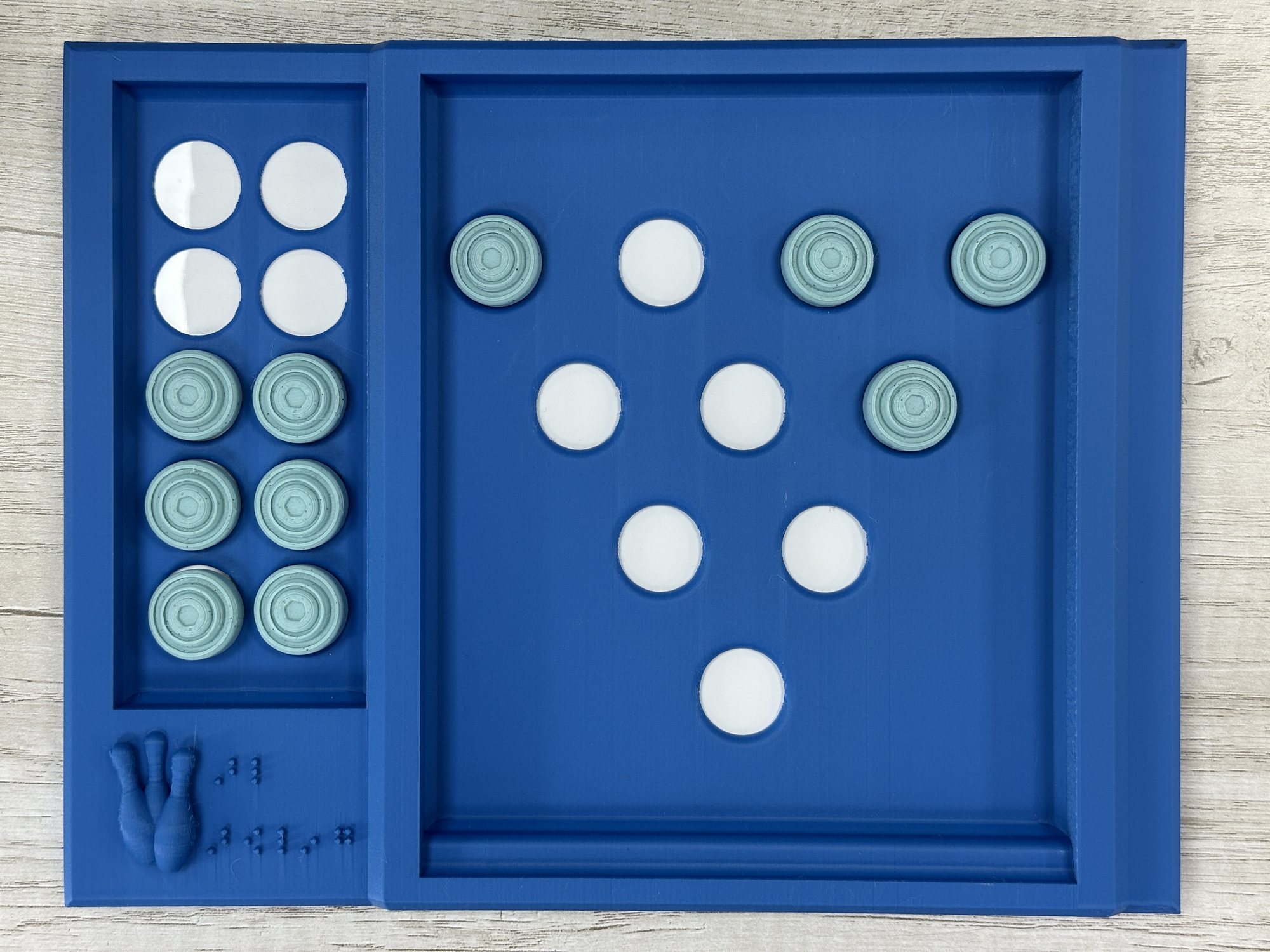
I used movable magnetic tokens so the map could change with the game. Raised features and Braille labels provide tactile references; a side rail holds markers outside the active layout. The paired photographs below show the same ten-pin and four-pin states on the floor and on the board.
FIG 05 · MARKER DETAIL
FIG 05 — MAGNETIC MARKER + STORAGE RAIL
FIG 06 · SCENARIO 01
FIG 06 — SCENARIO 01 · PHYSICAL PIN STATE
FIG 07 · MATCHED MAP
FIG 07 — SCENARIO 01 · TACTILE BOARD STATE
FIG 08 · SCENARIO 02
FIG 08 — SCENARIO 02 · PHYSICAL PIN STATE
FIG 09 · MATCHED MAP
FIG 09 — SCENARIO 02 · TACTILE BOARD STATE
FIG 10 · BOWLING TEST
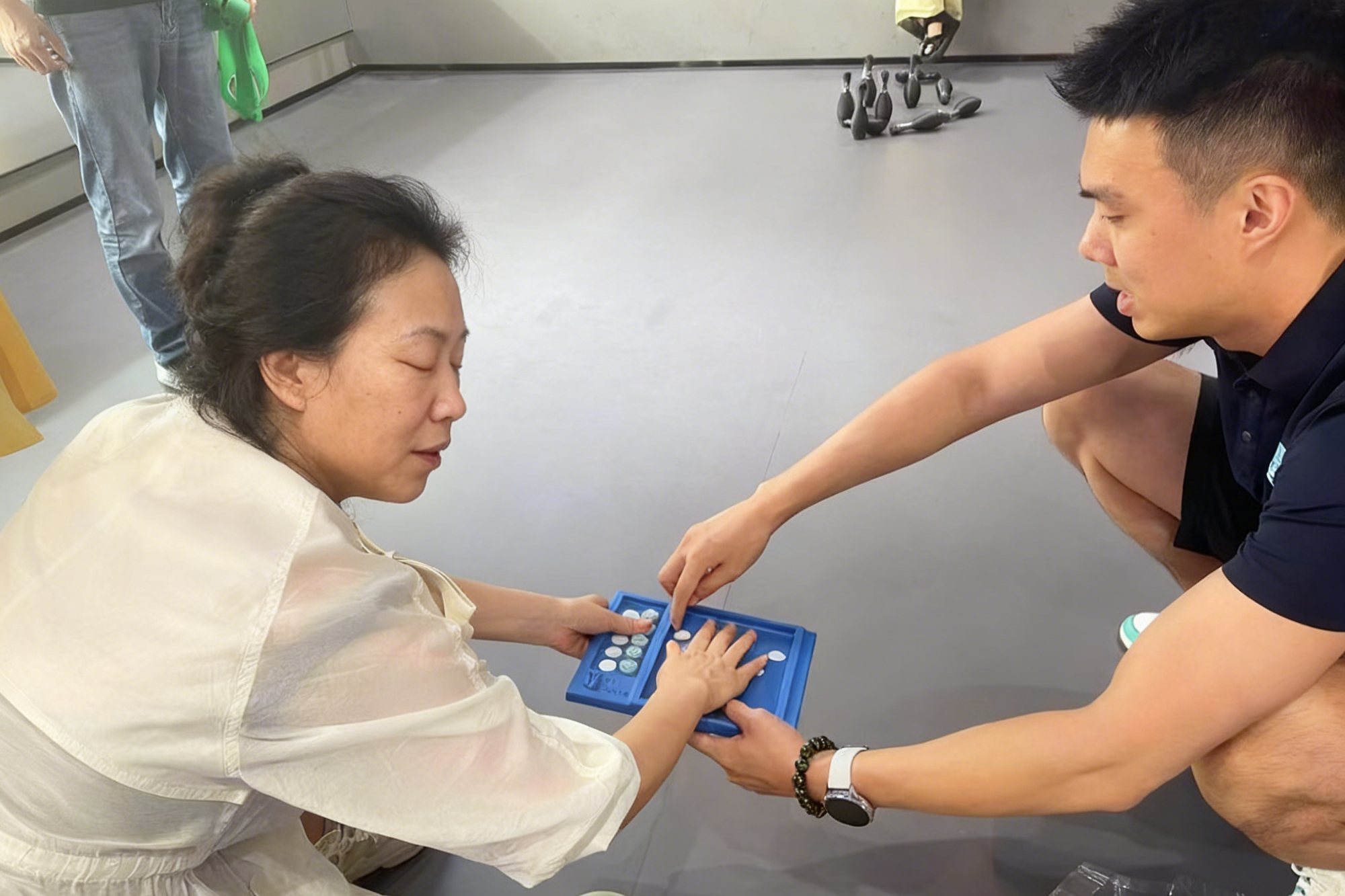
FIG 10 — FACILITATED TACTILE-BOARD TRIAL WITH A BLV PARTICIPANT
The facilitated trial brought the board into the player's hands. A next evaluation should examine how players read and update game states with less verbal assistance across repeated rounds.
SEC 04
BLV Basketball篮球系统
AUDIO · ORIENTATION IN MOTION
Take the audio cue with the player.
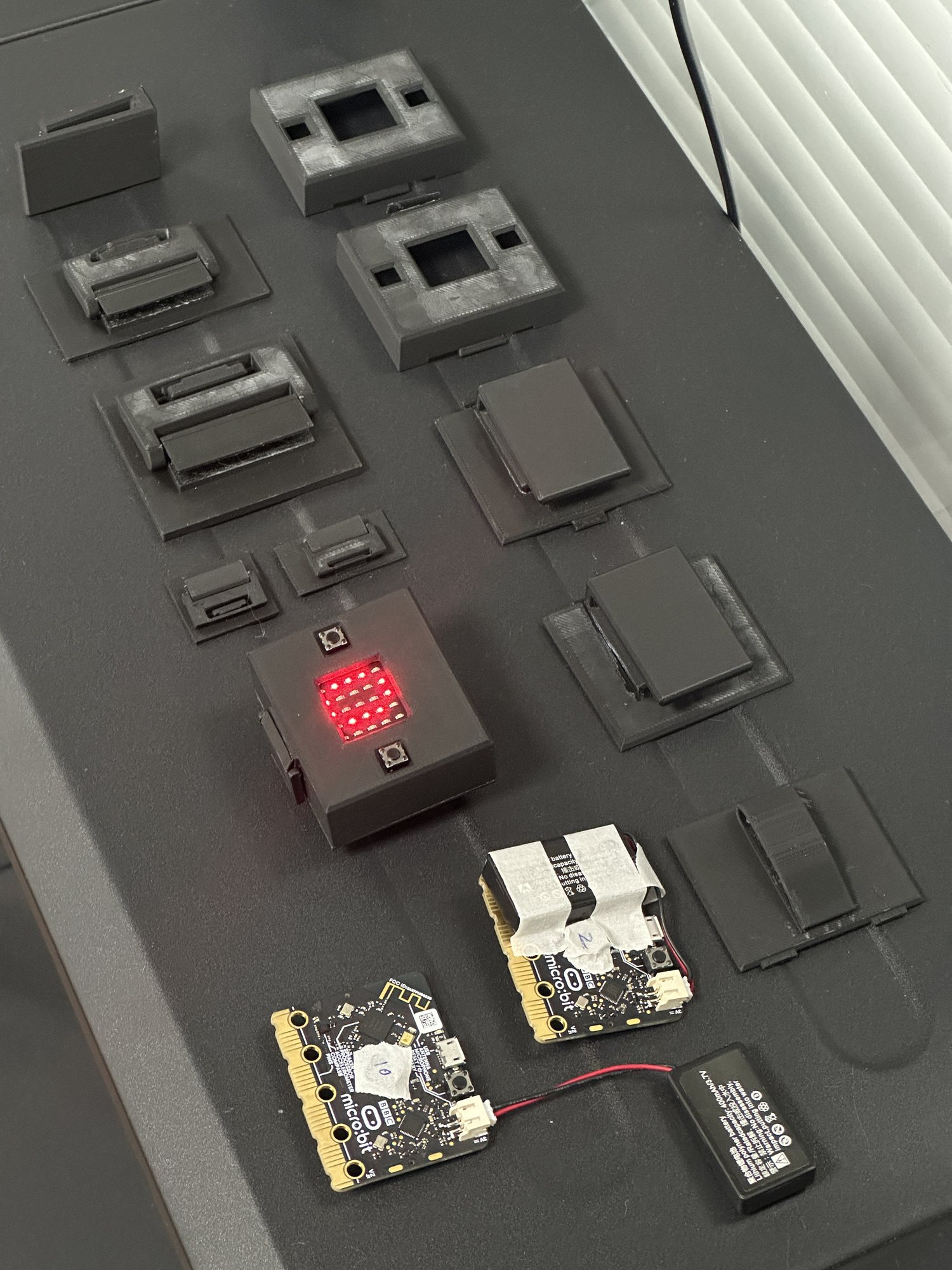
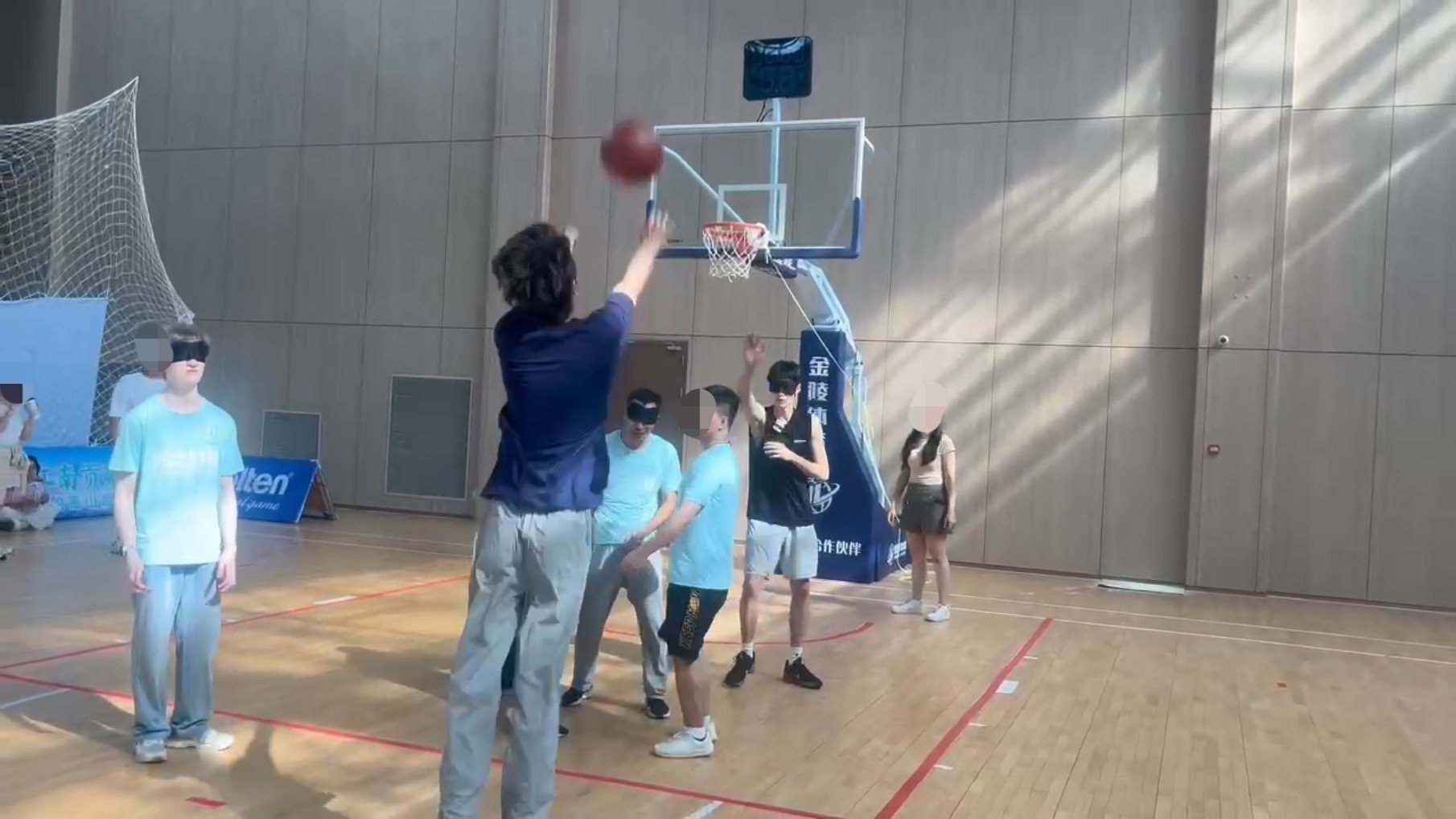
Wearable modules extend the audio approach to movement across a court. I iterated printed enclosures around the electronics and attachment features. The gym session shown below used blindfolded participants to explore audio orientation during movement, passing, and shooting; it is distinct from the BLV interviews and tactile-board trial.
Leave the team a physical system it can keep developing.
I refined assemblies and enclosures, then established clearer 3D-printing and assembly standards for the team's continued development. The project connects user research to tangible interfaces and working hardware; further evaluation should distinguish tactile readability, audio orientation, and independent participation rather than treating them as one outcome.